






How long it takes to get building regulations approval and how long it lasts
Contents |
[edit] Introduction
There are two types of building regulations application:
- Full plans application: Generally on larger, new-build projects, a 'full plans' application will be made, meaning that full details of the proposed building works are submitted for approval before the works are carried out.
- Building notice application: On smaller projects, or when changes are made to an existing building, approval may be sought by giving a 'building notice'. In this case, a building inspector will approve the works as they are carried out by a process of inspection. However, this leaves the client at risk that completed works might not be approved, resulting in remedial costs.
[edit] Full plans application
A decision should be received within five weeks for a full plans application. However, this may be extended to two months by agreement. It is necessary then to give the building control body two working days notice before commencing the works.
It is permissible to begin works before approval has been received, however, if the works are subsequently found not to comply with the building regulations, they may have to be altered or removed.
The approval lasts for three years, within which time the building work must commence, or a fresh application will be required. This can be very important given the speed at which the regulations change, meaning that a building which has been approved, but where construction has not begun, may need to be re-designed to satisfy the new regulations.
Once the construction works have commenced, and the building control body has undertaken a commencement inspection, the approval lasts indefinitely.
A completion certificate should be received within eight weeks of completion of the building work if it complies with the regulations.
[edit] Building notice application
Works under a building notice application may begin as soon as the notice has been accepted. This is usually within two days.
The notice is valid for three years, after which it will lapse if the building work has not commenced. Once the works have commenced, the notice lasts indefinitely.
No completion certificate is issued as no plans have been submitted.
[edit] Related articles on Designing Buildings Wiki
Featured articles
Check out some of the best features and news from Designing Buildings as well as key stories from around the web.
Listed structures on the rail network
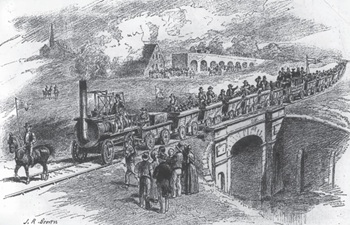
Heritage interests and operational requirements must be balanced.
Historic England publishes research into embodied carbon when retrofitting traditional buildings.

New Prime Minister delivers on ECA call for cut in electricity costs.

CIOB reacts to the announcement of Andy Burnham as Prime Minister.

Heritage and conservation science workforce survey - Have your say.

England's Suburbs 1820-2020. Book review.

New, more proportionate and targeted approach for higher-risk building assessments.

Government brings British Steel into public ownership.

UKCW Birmingham returns with bold new theme and focus.

New guidance published on competence requirements for self-certification schemes.
Construction Management, 8 July

NEETs crisis drives interest in trades, but apprenticeships barriers remain.
Passive fire protection webinar

MEP services penetration seals.